Luxor East Bank at a glance
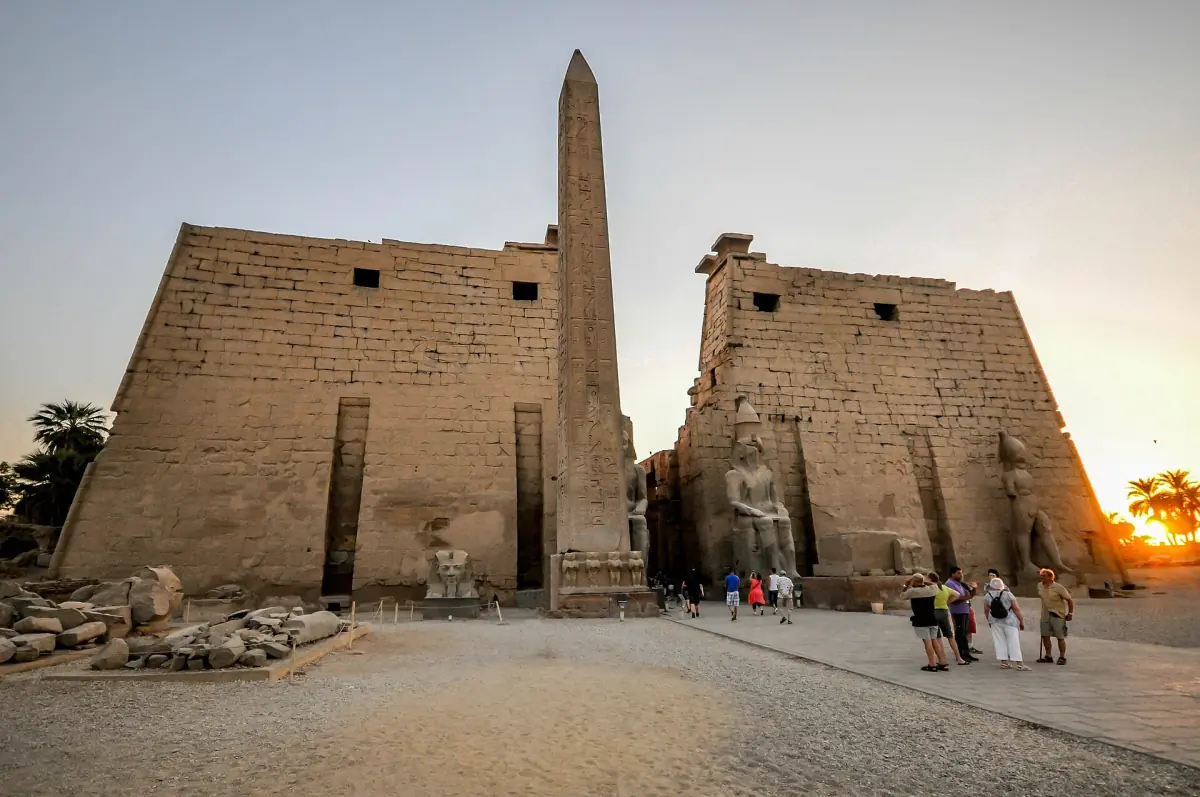
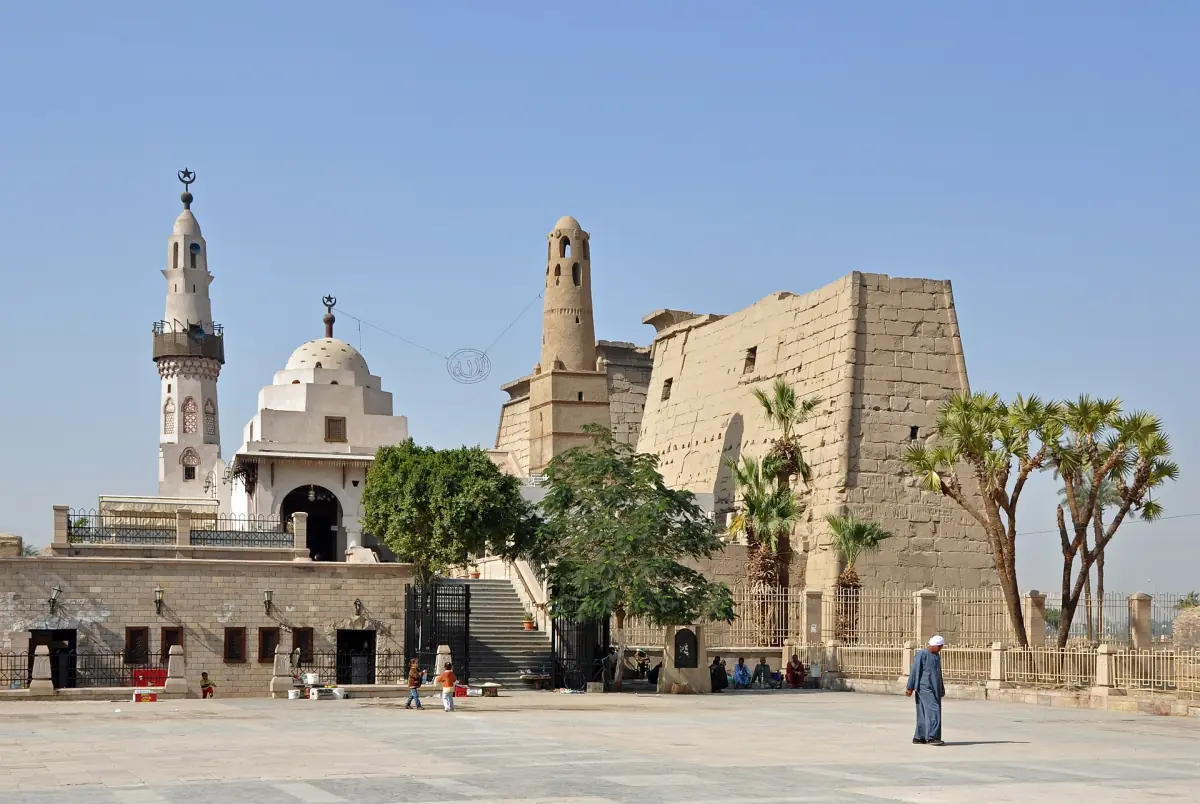
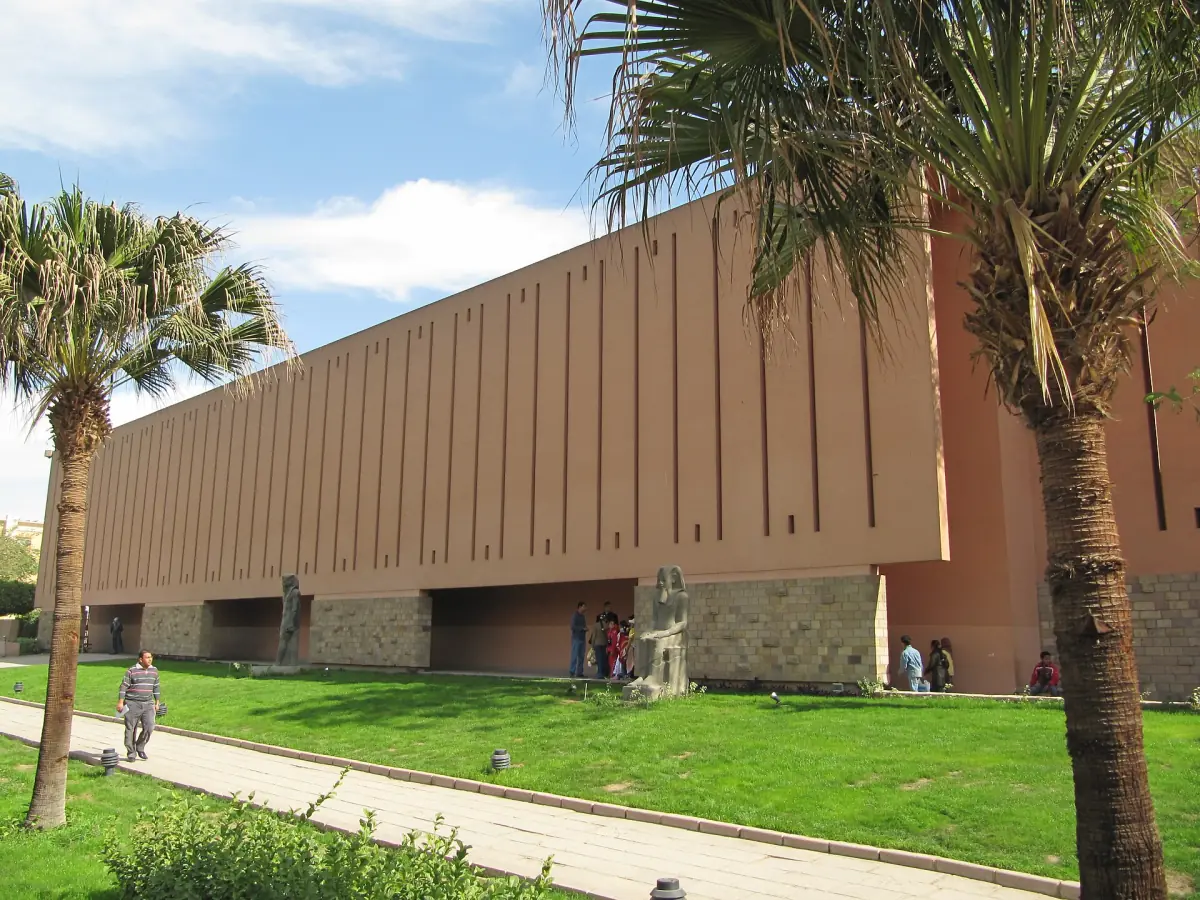
The East Bank is the town side of Luxor. Luxor Temple and Karnak stand here, as do the Luxor Museum, the Mummification Museum and the Abu Haggag Mosque. The Corniche runs along the Nile, and the souk lies opposite the temple.
You can cover the main sights on foot and add a carriage ride or a ferry crossing when you want a change. If you prefer a guide, compare the Luxor East Bank tours. They cover the temples and museums, and some add the West Bank.
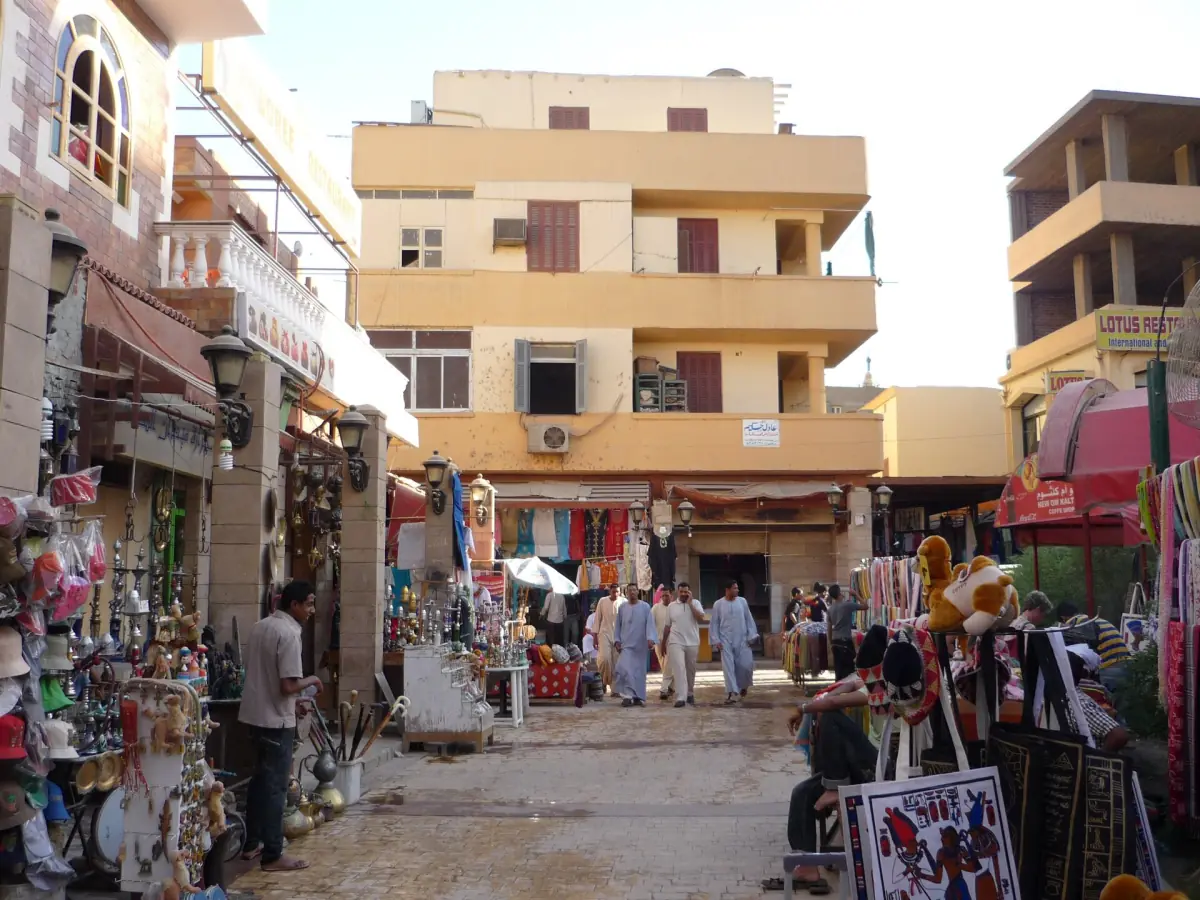
Luxor souk
The market opposite the temple sells alabaster, jewellery, textiles and spices.
What you find
Stalls and small shops sell alabaster items, jewellery, cloth and spices. It is a place for souvenirs and for a stroll after the temple.
Hours and prices
Shops set their own hours and prices. Ask the price before you pick something up, and compare a few stalls before you buy.
What to wear
Modest clothing is advised, especially in mosques and souks. Touts and scam attempts can occur in tourist areas, and a calm, friendly no is enough if you are not interested.
Our pick: Luxor Temple and the old souk
This private afternoon combines the temple with the old souk on the East Bank.
Hand-picked tours, booked through GetYourGuide. Prices are indicative starting prices in US dollars (as of October 2026). Tap a tour for live availability and the current price in your currency.
Luxor East Bank tours and day trips
Temples, museums and evening visits around the East Bank, with live prices and availability.
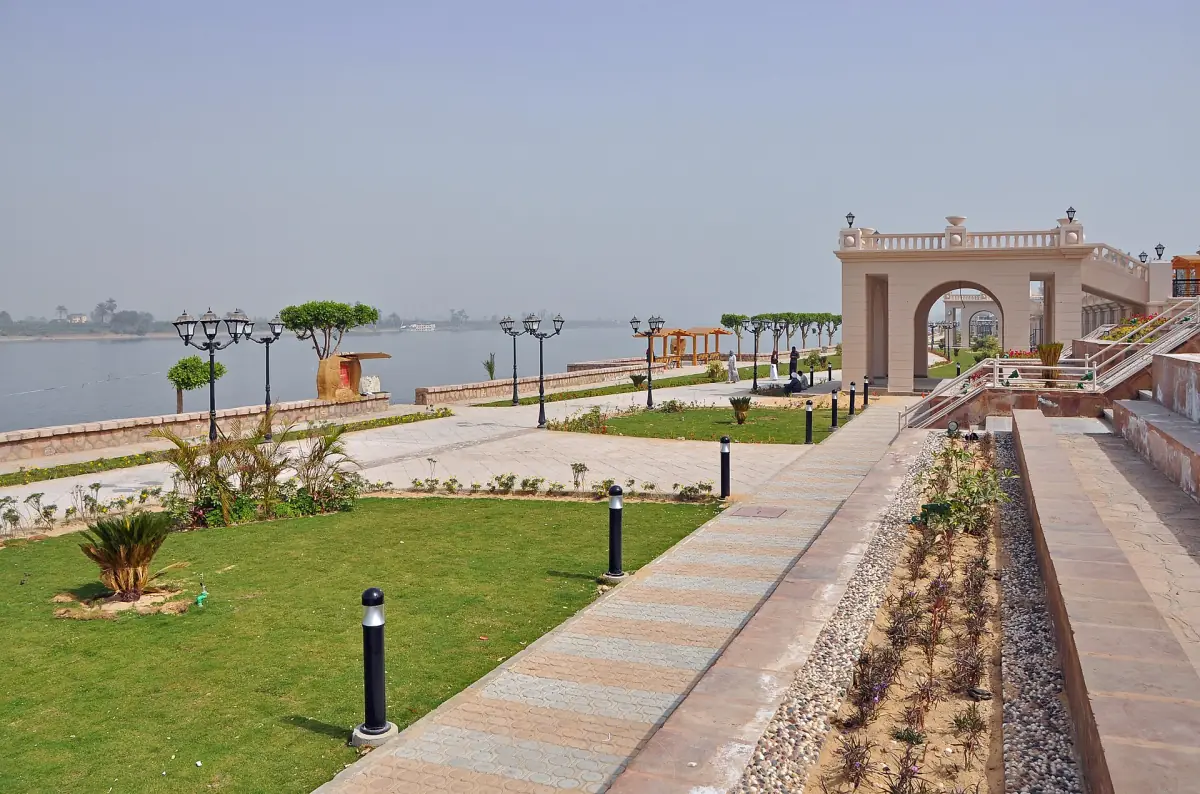
Luxor Corniche
The Corniche is the road and promenade along the Nile. The Mummification Museum stands on it, and the Luxor Museum page covers its hours and tickets. A walk along the water is an easy way to spend the hour before the evening sessions.
The river also marks the line between the two banks. The where to stay page explains how to choose a base.
The ferry to the West Bank
The crossing joins the town and the necropolis.
A ferry crosses the Nile between the town on the East Bank and the West Bank, where the royal tombs lie. Ask for the current timetable and fare at the landing or at your hotel. A ferry is not the same as a privately chartered motor boat or a felucca. For the tombs themselves, see the Valley of the Kings guide, and for the wider town see things to do in Luxor.
Carriage rides and animal welfare
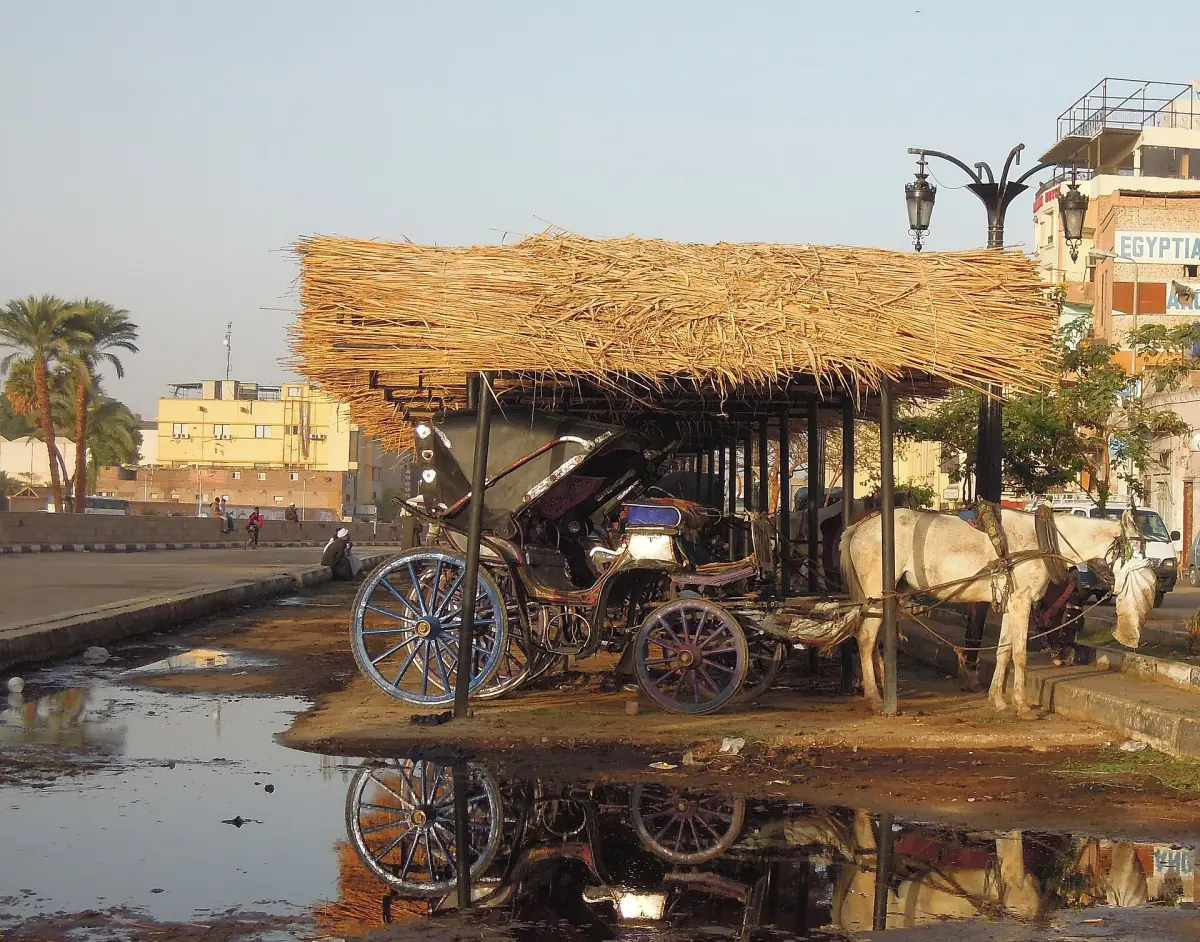
Horse carriages are a common way to get around Luxor.
Carriages in Luxor
The caleche, called a hantour, is a horse-drawn carriage and is one of the ways to travel through the town. No certification of animal welfare applies to all carriages, so the quality varies by driver.
Risks for the horses
Horses used for tourists can suffer from overwork, poor feeding and missing treatment. Check for a licence plate and look at the condition of the animal before you agree to a ride.
What to check
Look at the horse before you climb in. If it looks thin, hurt or very tired, choose another way to travel. Agree the fare and the route first. A short walk or a taxi are alternatives.
Keep exploring
More pages about the East Bank.
Luxor East Bank: frequently asked questions
What is on the East Bank of Luxor?
Luxor Temple, Karnak, the Luxor Museum, the Mummification Museum, the Abu Haggag Mosque, the souk and the Corniche. The royal tombs are on the West Bank.
Where is the Luxor souk?
It lies opposite Luxor Temple. It sells alabaster, jewellery, textiles and spices.
How do I shop in the souk?
Ask the price first and compare a few stalls. Stay friendly and keep to what you want to pay.
Are horse carriages safe for the animals?
It depends on the driver. Look at the condition of the horse and for a licence plate, and choose another option if the animal looks unwell.
How do I get to the West Bank?
By ferry from the East Bank. Ask for the current timetable and fare at the landing or at your hotel.
Where is the Mummification Museum?
On the Corniche, the riverside road along the Nile. The Luxor Museum page has its hours and tickets.